How to Clear a Construction Site? A Complete Guide
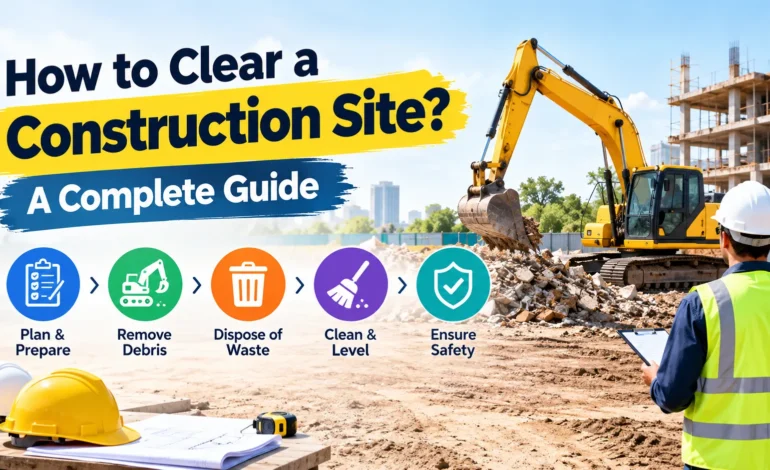
Every build starts with a clean, safe, and legal site. Rushed clearing causes costly delays, fines, and flooded work areas. Magazines insights guides how to clear a construction site in the right order.
You will learn what site clearing means, which permits you need, and a ten-step process. You will also see equipment options, cost factors, and mistakes to avoid.
What Does Clearing a Construction Site Mean?
Site clearing prepares raw land or an old lot for building. Crews remove trees, brush, stumps, roots, rocks, trash, and old structures. One city describes clearing and grubbing as a surface operation that removes trees, stumps, roots, and debris before construction.
Good clearing also protects the soil and nearby water. It sets up drainage, access roads, and safe work zones.
Check Permits and Rules First
Never start clearing before you confirm local rules. Many counties will not allow work until they issue the building permit. Some cities require a separate clearing and grubbing permit. That permit often lets you install erosion controls and start earth disturbing work.
Check these items with your city or county:
- Clearing or grading permit: Ask if you need one before any work.
- Stormwater permit: Large sites often need a stormwater plan. One state agency notes that sites of one acre or more need a permit and an onsite plan.
- Tree rules: Some areas protect certain trees or require tree surveys.
- Wetlands and streams: Never clear near water without state and federal permits.
- Floodplain permits: Work in a floodplain needs approval first.
- Protected species: Some sites need an environmental review.
Permit timelines vary. One city reports a typical review of three to five business days. Plan for longer if the agency asks for updates.
Safety Comes First
Clearing is dangerous work. Heavy machines, falling trees, and buried utilities create real risks. Protect your crew before you touch the ground.
- Call 811 before you dig to mark underground utilities.
- Hold a safety meeting before work starts.
- Require hard hats, eye protection, gloves, and steel-toe boots.
- Fence the site and post warning signs.
- Keep spotters near moving equipment.
- Follow OSHA rules for your work type.
10 Steps to Clear a Construction Site
Follow these steps in order. Skipping ahead causes most clearing problems.
Step 1: Survey and Plan the Site
Walk the land with your surveyor and project manager. Mark property corners, easements, and boundaries. Note slopes, drainage paths, rocks, and trees. Draw a site plan that shows where you will clear and where you will not. Update the plan as conditions change.
Step 2: Get Permits and Notify Utilities
File every permit before work begins. Call 811 so utility companies mark buried lines. Share the marked locations with every operator on site.
Step 3: Mark Limits of Clearing
Clear only what the project needs. Flag or stake trees, streams, and wetlands you plan to keep. Tell every equipment operator where the limits sit. Orange construction fencing works well as a visible barrier. One state guide advises a no-dig root zone around large trees, set at twice the width of the branch spread.
Step 4: Install Erosion and Sediment Controls First
Set up controls before you clear or excavate. Bare soil washes away fast in rain. Place silt fences, sediment traps, and check dams where runoff leaves the site. Put traps just above ditches and storm drain inlets. Keep your stormwater plan on site for inspections.
Step 5: Build Access and Staging Areas
Create a stable entrance for trucks. Use gravel to reduce mud tracked onto public roads. Set aside areas for equipment, fuel, materials, and parked vehicles. Place portable toilets and a dumpster near the entrance.
Step 6: Remove Trees, Brush, and Vegetation
Cut down trees and brush inside your marked limits. Hire a certified arborist for large or dangerous trees. Chip small material on site, or haul it away. Some areas require you to remove invasive species during clearing.
Step 7: Grub Stumps and Roots
Grubbing removes stumps, roots, and buried organic matter. Use an excavator or stump grinder. Roots left in the ground can rot and cause the soil to settle under your foundation. Fill the holes with compacted, approved material.
Step 8: Demolish Old Structures
Old buildings, slabs, and fences may stand on your lot. Test for asbestos and lead paint before demolition. Federal and local rules often require surveys and notifications. Disconnect utilities first. Separate recyclable materials such as metal, concrete, and clean wood.
Step 9: Haul Away and Dispose of Debris
Sort debris into groups: wood, soil, concrete, metal, and hazardous waste. Use licensed haulers and approved disposal sites. Many local rules limit open burning, so check before you burn any brush. Keep disposal receipts for your records.
Step 10: Strip Topsoil, Rough Grade, and Stabilize
Remove topsoil and stockpile it for later landscaping. Grade the site to guide water away from the building area. Phase the work so you expose small areas at a time. Seed or cover bare ground you will not build on soon. Inspect your erosion controls after every heavy rain.
Quick Reference: Clearing Order
| Phase | Key action |
| Plan | Survey, permits, 811 call |
| Protect | Mark limits, install erosion controls |
| Prepare | Build entrance and staging areas |
| Clear | Remove trees, brush, stumps, roots |
| Remove | Demolish old structures, haul debris |
| Finish | Strip topsoil, grade, stabilize |
Equipment You Need to Clear a Construction Site
The right machine saves days of labor. Match equipment to your site size and terrain.
| Equipment | Best for |
| Excavator | Digging, grubbing stumps, loading trucks |
| Bulldozer | Pushing brush, rough grading large areas |
| Skid steer | Tight spaces, small debris, light grading |
| Brush mulcher or forestry mulcher | Turning brush and small trees into mulch |
| Chainsaw and chipper | Cutting and chipping trees and branches |
| Dump truck and roll-off dumpster | Hauling debris and soil |
| Backhoe or loader | General digging and moving material |
Rent machines for short jobs. Hire an operator if your crew lacks experience.
What Affects Site Clearing Cost?
Prices swing widely by region and site. Ask for several written quotes before you hire anyone. These factors drive the cost:
- Site size: More acres mean more machine hours.
- Vegetation type: Dense forest costs more than light brush.
- Tree size and count: Large trees need extra equipment.
- Terrain: Steep, rocky, or wet ground slows work.
- Demolition needs: Old buildings add labor and disposal fees.
- Debris disposal: Hauling and dump fees add up fast.
- Permits and inspections: Fees vary by city and county.
- Access: Remote sites raise transport costs.
DIY vs. Hiring a Professional
Small, flat lots with light brush suit a careful DIY approach. Hire a pro if your site has large trees, steep slopes, old structures, wetlands, or utilities nearby. A professional also knows local permit rules and stormwater rules. One mistake can bring fines or lawsuits.
Common Mistakes When Clearing a Construction Site
- Clearing before permits. Agencies can stop work and fine you.
- Skipping erosion controls. Rain washes soil into streets and streams.
- Cutting too much. Extra clearing costs money and may break tree rules.
- Missing utility marks. A cut gas or water line becomes an emergency.
- Ignoring wetlands. Work near water needs special permits.
- Burying debris. Buried stumps and trash cause settling and legal trouble.
- Poor debris plans. Overflowing piles slow every crew.
- Neglecting weather. Heavy rain turns bare soil into mud.
Site Clearing Checklist
- Confirm permits and stormwater plan
- Call 811 and mark utilities
- Survey boundaries and flag keep-areas
- Install silt fence and sediment traps
- Build a stable entrance and staging area
- Clear trees, brush, and roots
- Test and demolish old structures safely
- Sort and haul debris with receipts
- Strip and stockpile topsoil
- Rough grade and stabilize bare soil
- Inspect controls after storms
Frequently Asked Questions
How do you clear a construction site?
Plan and permit the work first. Protect the soil with erosion controls. Then remove vegetation, roots, structures, and debris. Finish by grading and stabilizing.
What is the first step in clearing a construction site?
Survey the site and get your permits. Call 811 before any digging.
Do you need a permit to clear land?
Often yes. Many cities and counties require a building, clearing, or stormwater permit.
What is the difference between clearing and grubbing?
Clearing removes trees and brush above ground. Grubbing removes stumps and roots below ground.
How long does site clearing take?
Small lots may take days. Large wooded sites take weeks. Weather and permits change the timeline.
How do you control erosion on a construction site?
Install silt fences, sediment traps, and check dams before clearing. Phase work to limit exposed soil, and seed bare areas quickly.
Can you burn brush when clearing land?
Some areas restrict open burning. Check local fire and air quality rules first.
How much does it cost to clear a site?
Costs vary widely by size, terrain, and debris. Get several local quotes.