Best Places to Study in United States| 5 Top Destinations for Students

Choosing where to study shapes your education, career and daily life. The USA offers thousands of campuses, but each region feels different. Therefore, picking the right place matters as much as picking the right course. Magazines Insights covers the best places to study in the USA for international and local students. First, you will see why location matters. Next, you will meet five top destinations. Finally, you will find tips, a comparison and answers to common questions.
Table of Content
- Why Location Matters When Choosing the Best Places to Study?
- How We Chose the Best Places to Study in the USA?
- 1. Boston, Massachusetts: Best for Top-Ranked Universities
- 2. San Francisco Bay Area, California: Best for Technology and Startups
- 3. New York City: Best for Culture and Career Variety
- 4. Austin, Texas: Best for Value and a Relaxed Lifestyle
- 5. Research Triangle, North Carolina: Best for Research and Moderate Costs
- Quick Comparison of the Best Places to Study
- How to Pick From the Best Places to Study?
- FAQs
- Final Thoughts
Why Location Matters When Choosing the Best Places to Study?
Your city affects far more than your classes. For example, it shapes your living costs, internships and social life. Moreover, it influences the weather you face every day. As a result, students who research locations early often feel happier on campus.
Key Factors to Compare
- Academic reputation and course variety
- Living costs, including rent, food and transport
- Internship and job opportunities near campus
- Safety, climate and student support services
- Diversity and community for international students
However, no single factor decides everything. Instead, rank your own priorities before you compare cities. Then, use the list below as a starting point.
How We Chose the Best Places to Study in the USA?
We looked for regions that combine strong universities with real student life. In addition, we considered career access and overall student support. We used four criteria:
- Strong universities and research programs
- Access to internships and employers
- Student-friendly neighbourhoods and transport
- A welcoming community for international students
Because every student differs, we also explain who each place suits best.
1. Boston, Massachusetts: Best for Top-Ranked Universities
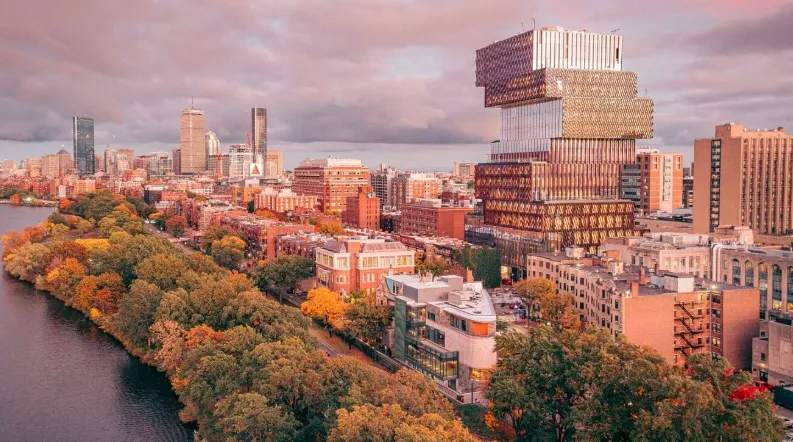
Boston ranks among the best places to study for academic prestige. The city and neighbouring Cambridge host Harvard, MIT, Boston University and Northeastern. As a result, students enjoy a huge range of programs and research labs. Also, dozens of colleges operate in the greater Boston area.
The city feels compact and walkable. For example, the subway and buses connect most campuses quickly. Meanwhile, historic neighbourhoods, museums and cafes give students plenty to explore.
Top Reasons to Study in Boston
- Access to world-class research in science, medicine and engineering
- Strong job networks in biotech, finance and technology
- A lively student culture with sports, music and festivals
- Easy rail and air connections across the Northeast
Top Universities in Boston
- Harvard University in Cambridge, famous for law, medicine and the humanities
- MIT, a global leader in engineering and technology
- Boston University, a large urban campus with many programs
- Northeastern University, famous for its co-op work placements
Cost and Lifestyle in Boston
Boston costs more than many US cities. In particular, rent takes a large share of student budgets. Therefore, many students share apartments or live in campus housing. Winters also bring cold and snow, so pack warm clothes.
Who Boston Suits Best
Boston suits ambitious students in science, business and healthcare. Likewise, it works well for anyone who loves a walkable city.
2. San Francisco Bay Area, California: Best for Technology and Startups
The Bay Area sits at the heart of the global technology industry. Stanford, UC Berkeley and UCSF anchor the region’s academic scene. Consequently, students meet founders, engineers and investors regularly. Furthermore, startups often hire interns and recent graduates from nearby campuses.
California also offers a mild climate and beautiful scenery. For instance, you can hike redwoods, visit beaches or explore San Francisco on weekends. However, housing costs here rank among the highest in the country.

Top Reasons to Study in the Bay Area
- Direct access to leading technology companies and startups
- Strong programs in computer science, engineering and biotechnology
- A diverse, international community
- Year-round outdoor activities
Top Universities in the Bay Area
- Stanford University, a leader in technology and entrepreneurship
- UC Berkeley, a top public university with broad strengths
- UCSF, a specialist in health sciences
- San Jose State University, a practical option near Silicon Valley
Cost and Lifestyle in the Bay Area
Expect very high rent, especially near Stanford and San Francisco. As a result, many students live farther out and commute by train. In addition, public universities like Berkeley charge lower tuition for state residents. Still, international students usually pay out-of-state rates.
Who the Bay Area Suits Best
The Bay Area suits future engineers, founders and data scientists. Similarly, it attracts designers and life scientists who want industry links.
3. New York City: Best for Culture and Career Variety
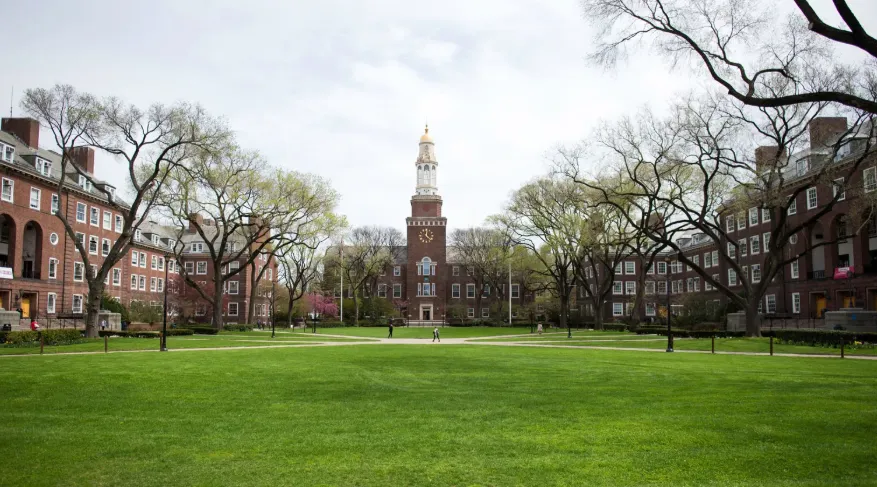
New York City offers a student experience unlike any other. Columbia, NYU, CUNY and Cornell Tech all operate within the city. Also, every major industry has a presence here, from finance to fashion and media.
Furthermore, the city never runs out of things to do. Museums, theatres, parks and food from every culture fill your free time. On the other hand, the pace can feel intense.
Top Reasons to Study in New York City
- Unmatched internship options in finance, media, fashion and the arts
- Excellent public transport that makes a car unnecessary
- A truly global community with students from nearly every country
- World-famous museums, theatres and music venues
Top Universities in New York City
- Columbia University, an Ivy League school in Manhattan
- New York University, strong in business, arts and law
- CUNY, a large public system with affordable options
- Cornell Tech, focused on technology and entrepreneurship
Cost and Lifestyle in New York City
New York ranks among the most expensive cities in the USA. Therefore, budgeting carefully is essential. For example, many students rent rooms in Brooklyn, Queens or New Jersey to save money. In addition, student discounts help with transport, museums and entertainment.
Who New York City Suits Best
New York suits students of business, law, media, arts and public policy. Likewise, it fits anyone who thrives in a fast, diverse city.
4. Austin, Texas: Best for Value and a Relaxed Lifestyle
Austin offers lower costs than many coastal cities. The University of Texas at Austin leads a lively student scene. In addition, major technology employers have built large offices in the area. As a result, graduates find strong job options close to campus.
The city also has a famous music and festival culture. For instance, live music venues fill downtown every night. Meanwhile, parks, lakes and trails make outdoor life easy. However, summers get very hot, so plan accordingly.

Top Reasons to Study in Austin
- Lower living costs than Boston, New York or San Francisco
- A fast-growing technology and startup scene
- Sunny weather and plenty of outdoor space
- Friendly, relaxed campus culture
Top Universities in Austin
- University of Texas at Austin, a major public research university
- St. Edward’s University, a smaller private campus
- Texas State University, a short drive south in San Marcos
- Austin Community College, a budget-friendly route to a degree
Cost and Lifestyle in Austin
Rent in Austin has risen in recent years. Nevertheless, it usually costs less than in the big coastal cities. In addition, a car helps, although buses and bikes cover the central areas.
Who Austin Suits Best
Austin suits students in engineering, business, music and media. Also, it appeals to anyone who wants a relaxed lifestyle with big-city options.
5. Research Triangle, North Carolina: Best for Research and Moderate Costs
The Research Triangle links Raleigh, Durham and Chapel Hill. Duke University, UNC Chapel Hill and NC State anchor this region. As a result, students gain access to world-class research without big-city prices. In fact, the area hosts a large research park that employs many graduates.
Moreover, the region has a calm, welcoming atmosphere. Therefore, many students find it easy to focus and settle in. Additionally, mountains and beaches sit within a few hours’ drive.

Top Reasons to Study in the Research Triangle
- Strong programs in medicine, biotechnology, engineering and data science
- Lower rent than in the big coastal cities
- A close network of companies in Research Triangle Park
- Friendly communities and a calm feel
Top Universities in the Research Triangle
- Duke University in Durham, strong in medicine and law
- UNC Chapel Hill, a top public university with a historic campus
- NC State University in Raleigh, strong in engineering and agriculture
- North Carolina Central University, a respected public university in Durham
Cost and Lifestyle in the Research Triangle
Living costs stay moderate compared with the coastal hubs. However, you will likely need a car or reliable buses for some trips. In addition, the region has hot summers and mild winters.
Who the Research Triangle Suits Best
The Triangle suits students of medicine, life sciences, engineering and computing. Overall, it offers an excellent balance of quality and value.
Quick Comparison of the Best Places to Study
- Boston: best for top universities and research
- San Francisco Bay Area: best for technology and startups
- New York City: best for culture and career variety
- Austin: best for value and a relaxed lifestyle
- Research Triangle: best for research and moderate costs
How to Pick From the Best Places to Study?
Now that you know the options, follow a simple process:
- First, list your top three priorities, such as cost, career and climate.
- Next, compare tuition and living costs on each university’s official website.
- Then, research scholarships and part-time work rules for your visa type.
- Also, check how far housing sits from campus.
- After that, speak with current students through online forums or events.
- Finally, apply early and keep a backup option.
A Simple Application Timeline
- Twelve months before: research destinations and shortlist universities.
- Ten months before: prepare tests, transcripts and recommendation letters.
- Eight months before: submit applications before deadlines.
- Six months before: apply for scholarships and review financial documents.
- Three months before: arrange visa steps, housing and travel.
Adjust these timings to each university’s deadlines.
Important Notes for International Students
Visa and work rules change from time to time. Therefore, always confirm current requirements with your university’s international office and official US government sources. For example, check the rules for F-1 student visas before you pay any deposit.
Ways to Save Money While Studying
Money matters for every student. Fortunately, you can lower costs with a few habits.
- Share an apartment with classmates
- Cook at home instead of eating out
- Use student discounts for transport and entertainment
- Apply early for scholarships and campus jobs
FAQs
What are the best places to study in the USA?
Boston, the San Francisco Bay Area, New York City, Austin and the Research Triangle top our list. Each one offers strong universities and different lifestyle benefits.
Which US city is cheapest for students?
Generally, Austin and the Research Triangle cost less than Boston, New York or the Bay Area. However, costs vary by neighbourhood, so compare housing options carefully.
Which place is best for technology students?
The San Francisco Bay Area leads for technology because of its startups and major employers. Austin also offers strong options at a lower cost.
Where can I find top universities in one city?
Boston stands out. For example, Harvard, MIT, Boston University and Northeastern all sit in or beside the city.
Can international students work while studying?
Rules depend on your visa type and your university. In general, F-1 students may work on campus within limits. Therefore, confirm the details with your international office.
When should I apply?
Start early. Most universities set deadlines many months before the semester begins. As a result, applying early gives you time for visas, housing and scholarships.
Final Thoughts
Each destination offers a different path to a great education. Boston delivers prestige, while the Bay Area drives innovation. Meanwhile, New York offers endless career variety. Austin balances value with energy. Finally, the Research Triangle combines research strength with calm living.
Therefore, choose the place that matches your goals, budget and personality. In addition, research current costs and entry rules before you apply. Share your dream study destination in the comments.